

The bills are created in a particular billing cycle or towards the month’s end. It intends to the service that requires to be paid under deadline, or it would be the default. Defaulting makes you at threat of having your services disengaged and lately fees paying and reconnection amount to start services again. As a result, companies need to keep track of their expenses and losses. Ultimately, it’s up to you to decide which side of the ledger each account should be on.
- It keeps the company’s financials accurate and makes sure the balance sheet is correct.
- Accounts Payable is a liability account, and thus its normal balance is a credit.
- Investigate it like a financial detective—could it be a duplicate entry, an unrecorded payment or something else entirely?
- Accounts that typically have a debit balance include asset and expense accounts.
- For example, you can usually find revenues and gains on the credit side of the ledger.
- Real-life examples show us how transactions can affect accounts.
- Since Accounts Payable increases on the credit side, one would expect a normal balance on the credit side.
What is the significance of normal balances in maintaining accurate financial records?

This means that debits exceed credits and the account has a positive balance. The debit side of a liability account represents the amount of money that the company has paid to its creditors. The credit side of a liability account represents the amount of money that the company owes to its creditors. Understanding how to read an accounting chart can give you valuable insights into a company’s financial condition. On the other hand, the accounts payable account will usually have a negative balance. For example, the accounts receivable account will usually have a positive balance.
Checking your browser before accessing journalia.blog.
- This, of course, looks like a big letter ‘T’, in which debits sit on the left and credits on the right.
- The first part of knowing what to debit and what to credit in accounting is knowing the Normal Balance of each type of account.
- Revenue accounts show money made from business activities and have a credit balance.
- When you make a debit entry to a revenue or expense account, it decreases the account balance.
- The account is debited when expenses are incurred and credited when payments are made.
An account’s normal balance is the https://www.bookstime.com/ side of the account that increases when a transaction is recorded. Knowing the normal balance of an account helps maintain accurate financial records, prepare financial statements, and identify errors in the accounting system. The accounting equation, a fundamental concept, relies heavily on understanding the define normal balance in accounting. Consider GAAP (Generally Accepted Accounting Principles); its guidelines dictate how financial transactions are recorded, directly impacting the normal balances of accounts. The role of a Certified Public Accountant (CPA) often involves ensuring accurate application of these principles when classifying the normal balance. Proper recording is critical for compiling accurate financial statements for any business.

Role of Normal Balances in Maintaining Accurate Financial Records

Once identified, apply the remedy swiftly by adjusting the entries. Keep in mind, the fix might require just a simple edit or a more complex journal adjustment. Regularly scheduled check-ups can prevent these financial missteps in the future. Aim for best practices like routine reconciliations to keep the pulse of your accounts strong and steady.
What Constitutes a Normal Debit Balance for Expense Accounts?
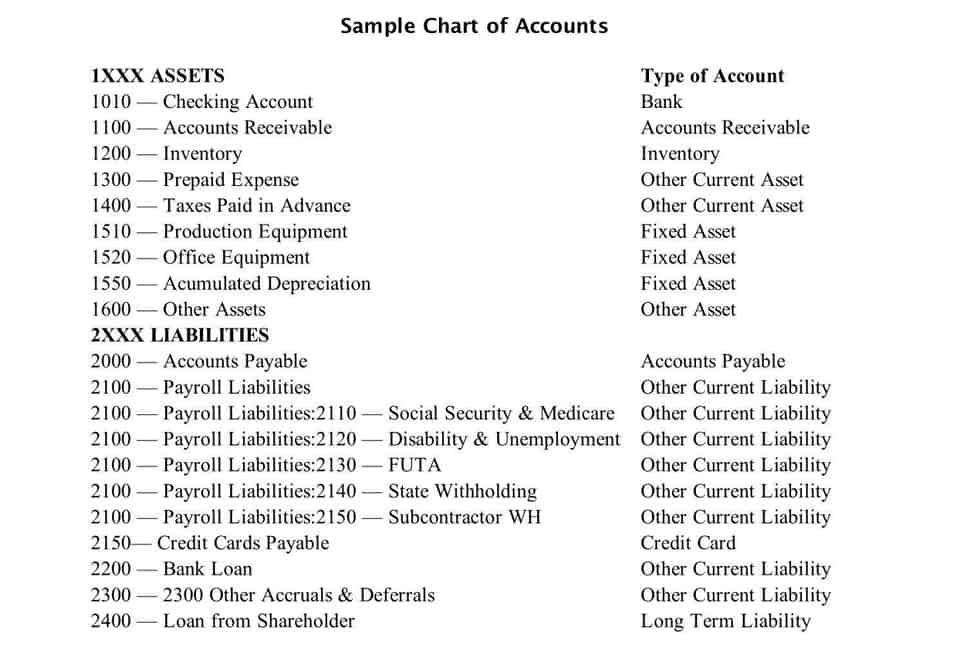
The normal balance is then the side of the T where the account increases. Note that, the making of an adjusting entry always affect an income statement revenue or expense account, and a balance sheet asset or liability account. State the rules of debit and credit as applied to (a) asset accounts, (b)liability accounts, and (c) the Common Stock account. Since the normal balance side of any revenue account is the credit side, a debit entry works against this, reducing the total revenue recognized.

- A revenue account is used to track the income a business generates from its primary operations.
- In this blog, we will explore what cash flow forecasting is, why…
- This means increases in revenue boost equity through credits.
- GAAP, or Generally Accepted Accounting Principles, is the US system for preparing financial statements.
- Explore the accounting fundamentals behind the ledgering process, the differences between application ledgers and general ledgers, and more.
- Knowing the normal balance of accounts for each account type will help you understand how debits and credits affect each type of account.
Together, they ensure every transaction is reliable, predictable, accurate, and intact. Ledgers are foundational to any company that moves money at scale. Explore the accounting fundamentals behind the ledgering process, the differences between application ledgers and general ledgers, and more. Entities should also aim to refill their fund balances Partnership Accounting in one to three years. This considers things like the economy, recovering from big events, and planning finances. Balancing the fund shows the ups and downs of managing money.
- Knowing the normal balance of an account helps you understand how to increase and decrease accounts.
- It intends to the service that requires to be paid under deadline, or it would be the default.
- Revenue is the income that a company earns from its business activities, typically from the sale of goods and services to customers.
- It’s often used for blockchains and distributed ledger systems to mitigate fraud.
This means your expense accounts should typically have a positive debit balance. Revenue accounts show money made from business activities and have a credit balance. This means increases in revenue boost equity through credits. Meanwhile, expense accounts reflect costs in making revenue, typically having a debit balance. Recording an expense as a debit shows normal balance of accounts its reducing effect on equity.