
Get alcoholism support by finding support groups or online message boards. Connecting with other people who have rosacea can help you feel less alone. Rosacea is a chronic skin disease that affects more than 16 million Americans. The cause of rosacea is still unknown, and there is no cure. However, research has allowed doctors to find ways to treat the condition by minimizing its symptoms. Remember that alcohol has calories and may cause weight gain.

How Does Alcohol Affect Certain Skin Conditions?
- If you’re heading out for drinks with friends make sure you’re already well hydrated and try alternating each alcoholic drink with a glass of water.
- She is a co-inventor of three patents and has published 20 peer-reviewed papers in scientific journals.
- Chronic liver stress can even lead to jaundice or yellowing of the skin.
- For some people, drinking alcohol can trigger a flare-up.
Your skin may appear fuller and healthier in consistency and quality. If your alcohol use distracted you from skin and hair hygiene, then the effects of sobriety can be even greater. After four weeks of hair growth without the effects of alcohol, your hair may appear fuller and more supple. Red wine isn’t filtered in the way that some drinks are. This means it’s harder for your liver and kidneys to process it and expel it from the body.
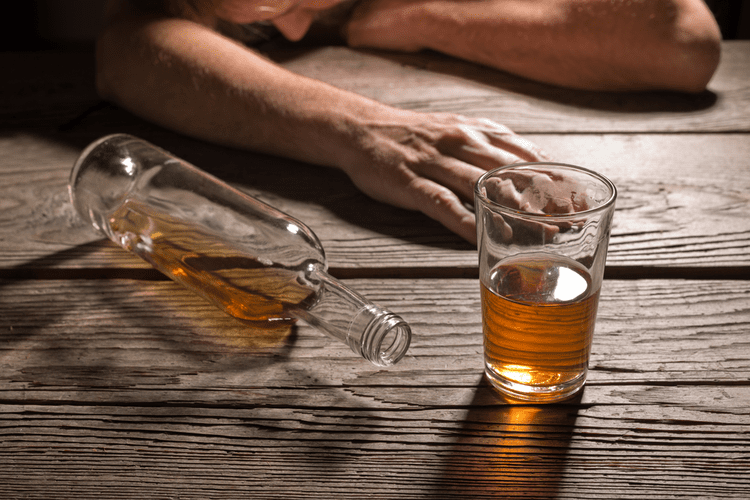
It’s also important to be mindful of the type of alcoholic beverages you consume. Certain drinks, such as sugary cocktails, can have a more significant impact on your skin due to their high sugar content. Opting for lighter options like wine or spirits mixed with water or soda can be a better choice for your skin. While it’s important to understand the potential negative effects of alcohol on your skin, there are steps you can take to minimize these effects and maintain healthy skin. By implementing the following tips, you can help mitigate the impact of alcohol on your skin’s health and appearance.
Reduced inflammation
“When it comes to alcohol and its effect on our skin, there’s quite a bit to unpack,” says Rachel Clarkson, nutrigenomic dietitian and founder of The DNA Dietitian. It increases urine production, leaving our skin parched and more prone to looking dull and tired. In the short term, drinking alcohol may cause dry skin, flushing, dark circles, and decreased elasticity. Prolonged alcohol consumption and alcohol use disorder can lead to or aggravate a variety of skin conditions. While having a glass of wine on occasion shouldn’t cause skin health issues, frequent and excessive alcohol consumption can.
Could Rubbing Alcohol Get Rid of Acne?
- Consider consulting a dermatologist or healthcare professional for personalized advice and treatment options.
- Alcohol can trigger or worsen these conditions due to its dehydrating and inflammatory effects.
- From dark circles to skin rashes, there is evidence that alcohol consumption can affect skin health and appearance.
A weakened skin barrier makes it easier for irritants and allergens to penetrate the skin, triggering inflammatory responses. This can manifest as itching, redness, and even allergic reactions. Individuals with pre-existing skin conditions, such as rosacea or eczema, may experience exacerbated symptoms after consuming alcohol. By understanding the relationship between alcohol, dehydration, and its effects on the skin, you can take proactive steps to minimize the potential damage caused by excessive alcohol consumption. Prioritizing hydration and adopting a consistent skincare routine can help maintain the health and vitality of your skin.
Laser Treatments for Dark Circles: Are They Worth It, Before & Afters, Cost
Seeking professional advice and taking a holistic approach to your well-being can improve the likelihood of skin recovery while also benefiting your overall health. Embracing a healthier lifestyle can contribute to skin recovery. Regular exercise, adequate sleep, and stress how alcohol affects your skin management are factors that can positively impact skin health.
- Alcohol has both short-term and long-term effects on the skin.
- Sounds idlylic, but it definitely doesn’t look it, according to Dr Imogen Bexfield, founder and medical director at White Swan Aesthetics.
- By following these tips, you can minimize the impact of alcohol on your skin and promote its health and vitality.
- When alcohol is consumed, it can cause blood vessels in the skin to dilate, leading to redness and flushing.
About the Author: Dr. Jessica Krant
Dr Phillips adds that “gentle exfoliation with AHAs and BHAs will remove dull, dead skin cells improving skin texture and addressing hyperpigmentation”. It also found that people who drink heavily may take more risks when it comes to protecting their skin from the sun, which could lead to skin cancer. Many heavy drinkers may also be smokers – another habit that can have a detrimental impact on skin. Of course, everyone is different and some people may see little or no impact on their skin from alcohol consumption. But, if you’ve experienced some minor changes on your face such as puffiness or dryness, Dr Shergill says you can reverse these with reduction or abstinence.
Why Winter Is the Best Time for Skin Treatments
A few drinks might give you temporary flushing or dryness, but consistent drinking has compounding effects. Over time, you may notice slower wound healing, increased pigmentation, and a diminished skin barrier. Your skin often begins to bounce back within a few weeks of cutting back. Drinking plenty of water can help combat the dehydrating effects of alcohol and improve skin moisture levels. A balanced diet rich in vitamins and https://ecosoberhouse.com/ antioxidants can support skin repair and regeneration.
Week Three Benefits
This is a more preferable treatment for blackheads and whiteheads. Alcohol dehydrates your skin, leading to dryness, dullness, and accentuated fine lines and wrinkles. Additionally, alcohol can also disrupt our hormone levels and lead to a hormonal imbalance. Increased hormone levels can stimulate our oil glands, causing them to secrete more sebum (oil), which can clog our pores and result in a breakout. Mood and mental health directly affect how we care for our skin. Anxiety or low motivation related to drinking can lead to neglected routines, stress breakouts, and unhealthy coping habits like picking or excessive makeup use.
Maintaining Healthy Skin: Tips and Alternatives
Otherwise known as telangiectasia, this condition can create a persistent rosy or flushed appearance, even when we’re not drinking. Collagen and elastin are two essential proteins in our skin that are responsible for maintaining its elasticity and firmness. Chronic dehydration caused by alcohol consumption can lead to the gradual breakdown of these crucial proteins. As collagen and elastin diminish over time, our skin loses its ability to “snap back” into place, resulting in sagging and a loss of firmness. Fine lines and wrinkles become more pronounced, and our skin appears less resilient.